
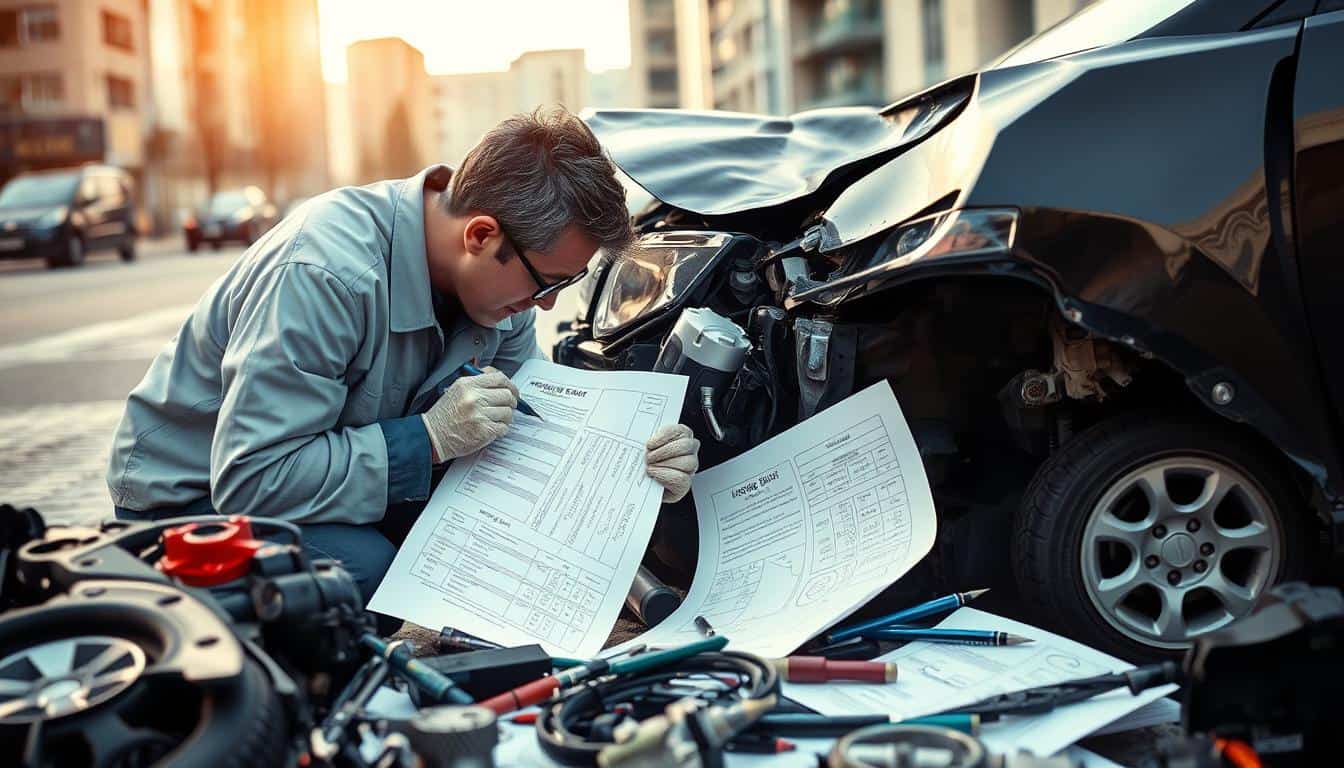
An accident can turn a normal day into a stressful situation within seconds. Even when everyone appears to be safe, there may be many questions afterward about vehicle damage, documentation, repairs, insurance procedures, and what should happen next.
Knowing the general process in advance can make the situation easier to manage.
The first moments after an accident can be overwhelming, making it difficult to remember every detail. Having a basic understanding of what to do beforehand can help drivers stay focused and make careful decisions.
Auto insurance can play an important role after an accident, but the process involves more than simply reporting the incident. Documentation, communication, vehicle condition, insurance terms, and the circumstances of the accident can all be important.
Safety Should Always Come First
The first concern after an accident should be everyone's safety.
When possible and appropriate, drivers should move to a safer location while paying attention to traffic and other hazards. Emergency assistance should be contacted when someone is injured, there is serious danger, or other urgent circumstances exist.
Insurance matters can be handled afterward.
Trying to decide who is responsible, examine every part of the vehicle, or discuss financial issues while standing in an active traffic area can create additional danger.
Once everyone is in a safe position, drivers can begin documenting the accident and collecting the necessary information.
Collect Important Information at the Scene
An accident can create a lot of information in a very short time.
Drivers may need to record details about the vehicles involved, road conditions, visible damage, and what happened immediately before the accident.
When possible, photographs can be especially helpful. Pictures of vehicle damage, road conditions, traffic signs, lane markings, and the surrounding area can provide useful context later.
The goal of documentation is not to argue about what happened at the scene. It is to create an accurate record while the details are still fresh.
Do Not Make Assumptions About Responsibility
Emotions can be strong immediately after an accident.
Drivers may feel certain that they know what caused the collision. However, responsibility can depend on details that are not always clear at the scene.
It is generally better to describe the events factually instead of making assumptions about legal or insurance responsibility.
Information about speed, traffic movement, road conditions, visibility, and vehicle positions should be as accurate as possible.
A calm and factual approach can make later communication easier.
Report the Accident as Soon as Practical
After immediate safety concerns are handled, drivers should become familiar with the accident-reporting process connected to their insurance.
The exact process can depend on the insurance provider, the circumstances, and applicable requirements.
Drivers may need to provide information about when and where the accident happened, which vehicles were involved, whether anyone was injured, and what damage could be seen.
Reporting the accident promptly can help create a clear timeline.
Waiting too long may make details harder to remember and could make it more difficult to document what happened accurately.
Good Documentation Can Be Valuable
Written records can become useful after an accident.
Drivers should consider keeping copies of photographs, reports, messages, repair records, and other documents related to the incident.
Creating a simple timeline can also help.
For example, drivers can record when the accident happened, when it was reported, when the vehicle was inspected, and when repair discussions took place.
Organized records reduce the need to rely only on memory and make it easier to provide accurate information later.
Some Vehicle Damage May Be Hidden
Not all accident damage is immediately visible.
A vehicle may appear to have only minor exterior damage while having problems with sensors, suspension, alignment, mechanical components, or other systems.
This can be especially important with newer vehicles that contain advanced electronic equipment.
After an accident, drivers should pay attention to changes in steering, braking, warning lights, unusual sounds, fluid leaks, or other unexpected behavior.
A vehicle that can still be driven does not necessarily mean that it has no significant damage.
Modern Vehicle Repairs Can Be Complicated
Vehicle repair has become more technical over time.
A damaged bumper, windshield, mirror, or body panel may contain or be located near cameras, sensors, wiring, or other electronic equipment.
Because of this, repairs may sometimes involve more than replacing visible parts.
Depending on the vehicle, certain systems may need to be inspected, calibrated, or repaired using specialized procedures after a collision.
Drivers may benefit from asking whether any safety or electronic systems could have been affected instead of focusing only on visible damage.
Understand How the Inspection Works
A vehicle inspection may be part of the insurance process after an accident.
The general purpose is to document the vehicle's condition and evaluate the damage connected to the incident.
Drivers should provide accurate information and make the vehicle available when required.
It can also be useful to keep photographs taken immediately after the accident. These images can show the vehicle's condition before repairs or other changes are made.
The inspection process may differ depending on the insurance provider and the circumstances of the accident.
Organize Repair Decisions Carefully
After the damage has been assessed, arranging repairs may become the next important step.
Drivers should understand how their insurance handles repairs and which procedures apply to their situation.
Repair facilities can differ in their experience, equipment, and knowledge of specific vehicle systems.
For vehicles with advanced technology, it may be particularly important to know whether the repair facility has the right equipment and expertise for the required work.
The goal is not simply to make the vehicle look normal again. Proper repairs should also address structural, mechanical, and electronic problems connected to the accident.
Keep All Repair Records
The repair process can involve many documents and conversations.
Invoices, inspection reports, repair descriptions, photographs, parts information, and messages with relevant parties can all be useful later.
Keeping these materials together creates a clearer record of what happened to the vehicle.
This can be especially helpful if a problem appears after the initial repair or if additional work becomes necessary.
Detailed records can also make future maintenance easier by showing the vehicle's previous repair history.
Understand Your Insurance Before an Accident
Many drivers do not review their insurance documents until after an accident happens.
This can make an already stressful situation even more confusing.
Before an accident occurs, it is useful to understand the basic parts of an insurance arrangement, including deductibles, responsibilities, exclusions, claims procedures, and other important terms.
Drivers do not need to memorize every part of a long policy document.
Instead, they should know where to find important information and understand the general process that would apply after an accident.
Preparing in advance is much easier than trying to learn everything during a stressful situation.
Know How Your Deductible Works
A deductible is one of the insurance terms drivers should understand beforehand.
Depending on the type of damage and the circumstances, a driver may be responsible for a specific portion of repair costs before certain insurance payments apply.
The exact rules depend on the insurance arrangement and the details of the claim.
Understanding the deductible in advance can help prevent confusion when reviewing repair estimates or discussing what happens next.
Temporary Transportation May Be Needed
An accident can sometimes leave a vehicle unavailable for several days or longer.
Depending on the insurance arrangement, temporary transportation may or may not be included.
Drivers should understand these provisions before an accident instead of discovering them while dealing with repairs.
This can be particularly important for people who rely heavily on their vehicles for work, family responsibilities, appointments, or everyday activities.
Knowing what options are available can make transportation planning easier.
Keep Communication Organized
Several people or organizations may become involved after an accident.
Drivers may communicate with insurance representatives, repair facilities, other drivers, vehicle owners, or professionals involved in the claim.
Keeping these conversations organized can make the process easier.
Drivers should provide accurate information, avoid unnecessary assumptions, and keep records of important communications.
When a conversation involves a decision or agreement related to the claim, written confirmation can provide a useful record for the future.
Be Careful About Making Repairs Too Soon
Drivers may want to repair their vehicles immediately after an accident.
However, it can be important to understand the claims process before making major repairs, especially when an inspection or other documentation is required.
Temporary steps taken to prevent additional damage may be different from completing permanent repairs.
Drivers should follow the appropriate procedures and communicate with the relevant insurance representatives before taking major steps that could affect documentation of the original damage.
An Accident Can Reveal What You Did Not Know
An accident can show drivers which parts of their insurance arrangement they understand and which areas were unclear.
Someone may discover that they were not sure how a deductible worked, how repairs were handled, what documents were required, or whether temporary transportation was available.
These discoveries can provide useful information for the future.
After the claim process is finished, reviewing the insurance arrangement with these experiences in mind can help drivers make more informed decisions later.
Review Your Insurance After an Accident
An accident can be a good reason to consider whether an existing insurance arrangement still reflects current circumstances.
A driver may have changed vehicles, changed driving habits, added another household driver, or experienced other changes that are unrelated to the accident itself.
A review does not necessarily mean that immediate changes are required.
Instead, it provides an opportunity to check whether the current arrangement still fits the driver's situation and whether any information needs to be updated.
Take Useful Lessons From the Experience
An accident can provide valuable lessons about driving and vehicle ownership.
Perhaps the experience showed the importance of leaving more distance between vehicles. It may have highlighted how difficult certain road conditions can be. It could also have shown why keeping insurance documents organized is important.
Taking some time to reflect after the situation has settled can turn a difficult experience into a practical learning opportunity.
The goal is not to focus on the accident itself but to identify lessons that may be useful in the future.
Prepare Before an Accident Happens
The best time to prepare for an accident is before one occurs.
Drivers can keep insurance documents easy to access, understand important terms, maintain current vehicle records, and learn the basic steps for reporting an accident.
It can also be useful to keep a simple emergency kit in the vehicle and have a mobile device available for documenting the scene when appropriate.
Preparation cannot prevent every accident, but it can reduce confusion afterward.
Responding in an Organized Way
An accident can feel overwhelming when vehicle damage, transportation needs, repairs, and insurance questions all appear at once.
Breaking the process into smaller steps can make it easier to manage.
Prioritize safety. Document the scene. Exchange necessary information. Report the accident through the appropriate process. Keep records. Understand the vehicle's condition. Follow repair procedures. Review the relevant insurance terms.
Each step can contribute to a clearer and more manageable process.
Moving Forward With Greater Awareness
An accident is unexpected, but drivers can control how prepared they are to deal with what follows.
Understanding the role of auto insurance, keeping organized records, recognizing that modern vehicle damage may extend beyond what can be seen, and becoming familiar with the claims process can all make the experience easier to manage.
The most useful preparation takes place before an accident happens.
When drivers understand their insurance arrangements, maintain their vehicles, and know how to document unexpected situations, they are better prepared to handle the practical steps that follow.
Auto insurance is one part of responsible vehicle ownership. The better prepared drivers are before something goes wrong, the easier it can be to respond calmly, accurately, and systematically when the unexpected happens.