
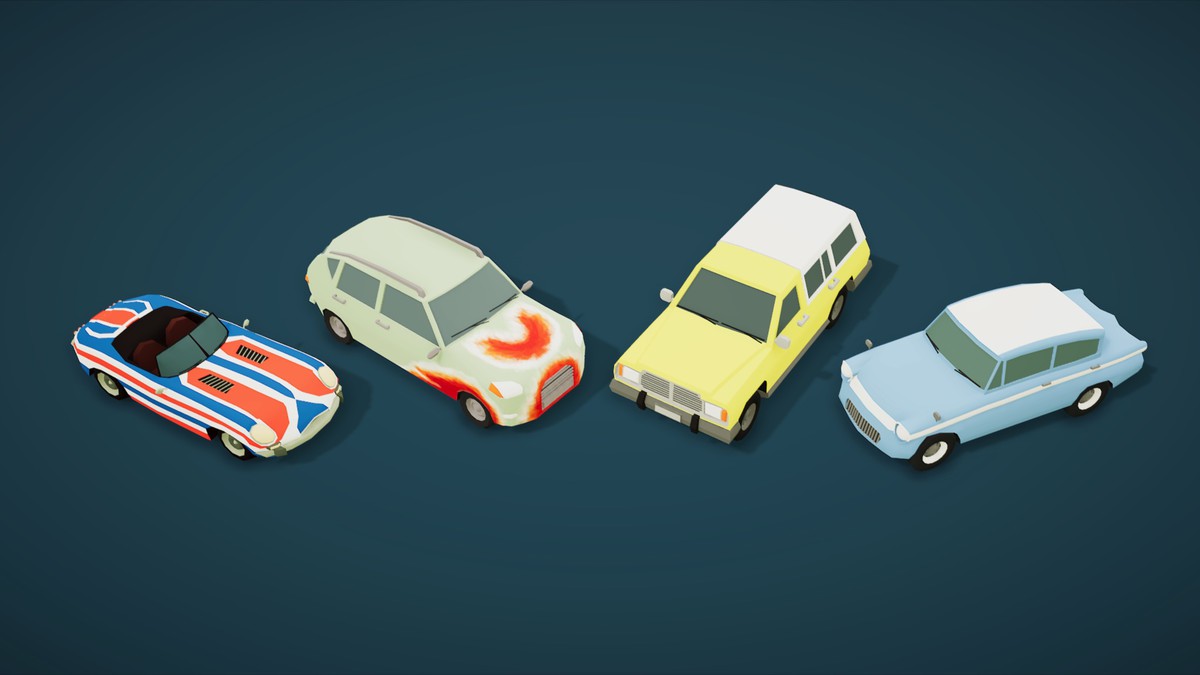
Auto insurance is affected by a combination of personal, vehicle-related, and driving factors. Many drivers may focus mainly on the vehicle they own, but there are several other details that can influence the overall insurance picture. Insurance providers usually consider different characteristics when assessing risk, and these factors may change when a driver's circumstances change.
Knowing what can affect an insurance arrangement can help drivers better understand their options. It also explains why two people with similar vehicles may still have different insurance considerations.
No single factor determines how an insurance arrangement is structured. Instead, several different elements work together to create a broader view of potential risk.
The Vehicle Is Only One Part of the Picture
The type of vehicle being insured is naturally an important factor.
Different vehicles have different designs, safety features, repair needs, performance levels, and claims histories. A family vehicle, a high-performance vehicle, and an older car used for commuting can all create different insurance considerations.
The age of a vehicle can also matter. Older vehicles may have different repair needs and equipment compared with newer ones. Newer vehicles often contain advanced electronic components and driver-assistance technology that can make repairs more complex.
Understanding these differences shows why choosing a vehicle and arranging insurance can be closely connected decisions.
Safety Features Are Becoming More Important
Vehicle technology has changed significantly over the years.
Modern vehicles may include systems that monitor traffic, warn drivers about possible dangers, assist with braking, or improve visibility. When used correctly, these features can support safer driving.
Safety equipment can also affect how a vehicle is considered from an insurance perspective. However, having advanced technology does not automatically determine a specific insurance result.
Different systems have different functions, and their effectiveness can depend on how they are used.
Learning about the safety technology in a vehicle can therefore help drivers understand the wider insurance picture.
A Driving Record Provides Useful Context
A driver's history can reveal patterns that may not be clear from one individual event.
A record with repeated traffic violations or accidents may show a different level of risk compared with a long history of responsible driving. At the same time, one incident does not necessarily describe a person's current driving habits.
Circumstances can change over time. Drivers can gain experience, improve their habits, and become more aware of road conditions.
For this reason, understanding a driving history is an important part of reviewing auto insurance. It helps connect past experiences with current circumstances.
How and Where a Vehicle Is Used
The purpose of a vehicle can affect its exposure to different driving situations.
Someone who mainly uses a vehicle for occasional errands may have a very different driving pattern from someone who spends several hours on the road each day.
Regular commuting, highway travel, family transportation, and occasional recreational driving can all create different patterns of vehicle use.
Drivers should consider how their vehicle is actually used instead of relying on an outdated description of their routine.
Changes in work schedules, household responsibilities, and daily activities can gradually change the role of a vehicle.
Mileage Can Show Vehicle Use
The amount of driving done over time is another important consideration.
Higher mileage generally means more time spent on the road, while lower mileage may indicate less frequent vehicle use. Mileage alone does not determine overall risk, but it can provide useful context.
Drivers may want to regularly check how much they actually drive. A major change in daily travel can make previous assumptions about vehicle use less accurate.
Keeping this information current can make insurance management more organized.
The Driving Environment Can Matter
Different driving environments can create different challenges.
Heavy traffic, narrow roads, frequent intersections, high-speed routes, parking congestion, and changing road conditions can all affect how a vehicle is used.
The important factor is not simply the name of a location. It is the type of driving environment a person regularly experiences.
A driver who spends most of the week in heavy traffic faces different conditions from someone who mainly travels on open roads.
Recognizing these patterns can help drivers better understand their everyday vehicle use.
Vehicle Repair Needs Are Also Important
The way a vehicle is built can affect what happens after an accident.
Some vehicles use specialized materials, advanced sensors, electronic systems, or complex components that require specific repair procedures. Even a small accident can sometimes involve technology that is not immediately visible.
This is why understanding a vehicle's design can be useful beyond simply knowing its type.
Drivers who are buying or replacing a vehicle may also want to consider its maintenance and repair characteristics as part of the overall ownership picture.
Age and Experience Can Influence Driving Habits
Drivers do not remain in the same circumstances throughout their lives.
Driving experience generally increases over time, while daily routines can change because of work, family responsibilities, lifestyle changes, or changes in mobility.
A newer driver may still be developing confidence and hazard-recognition skills. A more experienced driver may be more familiar with common road situations but should still remain attentive and avoid becoming too comfortable behind the wheel.
Insurance decisions exist within this changing context.
Regular Vehicle Maintenance Matters
A properly maintained vehicle is more likely to perform as intended.
Tire condition, brake performance, lighting, fluid levels, windshield condition, and other mechanical components can all contribute to safe vehicle operation.
Maintenance cannot eliminate the possibility of an accident, but ignoring basic vehicle care can create avoidable risks.
Drivers should pay attention to warning lights and unusual changes in vehicle behavior. Dealing with mechanical problems early can also help prevent small issues from becoming more serious.
Changes in Vehicle Ownership Can Affect Insurance Needs
Replacing a vehicle is an important time to review insurance arrangements.
A new vehicle may have different characteristics, equipment, usage patterns, and repair needs compared with the previous one.
Even when a driver keeps the same habits, the vehicle itself can change the broader insurance picture.
The same applies when a household adds another vehicle, removes one, or changes which person mainly uses a particular vehicle.
Keeping insurance details consistent with actual vehicle ownership helps maintain a clearer record.
Household Drivers Add Another Factor
Vehicles are often shared between several people.
A household may have multiple licensed drivers with different levels of experience and different driving histories. One person may use a vehicle occasionally, while another may rely on it every day.
When several people regularly drive the same vehicle, these circumstances become part of the broader insurance picture.
Clear communication within the household can help everyone understand which vehicles they use and what responsibilities come with driving them.
Claims History Can Provide More Context
Previous insurance claims may also be considered during an insurance evaluation.
A claim can result from many circumstances, including accidents, weather events, theft, or other unexpected situations. Having a claim does not automatically describe a driver's overall behavior.
The circumstances surrounding previous events are important.
Keeping personal records organized can help drivers understand their own history and make future insurance discussions easier.
Financial History May Matter in Some Situations
Depending on local rules and insurance practices, financial history may sometimes play a role in insurance evaluation.
This area can vary considerably depending on location and circumstances, so drivers should not assume that the same approach applies everywhere.
The broader point is that auto insurance can involve factors beyond driving behavior and vehicle characteristics.
Understanding the different categories that may be considered gives drivers a more complete view of how insurance decisions are developed.
Insurance Needs Can Change Over Time
One of the biggest mistakes drivers can make is treating an insurance arrangement as something that never needs to be reviewed.
Life changes.
A driver may begin working remotely, change jobs, add a household member, purchase another vehicle, reduce annual mileage, or start using a vehicle for a different purpose.
Each of these changes can affect the overall picture.
Regular reviews give drivers an opportunity to make sure the details associated with their vehicles and household drivers still reflect their current circumstances.
Asking Better Questions Creates More Clarity
Drivers do not need to understand every technical aspect of insurance to become more informed.
Simple questions can be useful:
- What factors are being considered?
- Has my vehicle use changed?
- Does my current driving pattern still reflect my actual routine?
- Have the drivers in my household changed?
- Has the vehicle itself changed significantly?
- Are there new safety systems or technologies that I should understand?
These questions encourage a more active approach to insurance management.
Looking Beyond One Factor
It can be tempting to search for one explanation for an insurance decision.
However, auto insurance is generally shaped by a combination of circumstances rather than one isolated characteristic.
Vehicle type, driving history, mileage, usage patterns, household drivers, driving environment, vehicle technology, and other factors can interact in different ways.
Looking at the broader picture is important because it prevents drivers from drawing conclusions based on only one part of their situation.
Staying Aware as Circumstances Change
The auto insurance environment continues to change along with the automotive industry.
Vehicles are becoming more technologically advanced, driving patterns are evolving, and digital tools are making insurance management more accessible.
For drivers, staying informed is useful.
Understanding the characteristics of a vehicle, maintaining a clear driving history, monitoring changes in vehicle use, and reviewing personal circumstances regularly can all support more informed decisions.
Auto insurance is not based on a single moment. It exists within an ongoing relationship between the driver, the vehicle, and the way that vehicle is used.
A More Informed Approach to Auto Insurance
Many different elements can shape the auto insurance experience, from the vehicle itself to the habits and circumstances of the people driving it.
Recognizing these factors can make insurance easier to understand and explain why one person's situation may differ from someone else's.
The most useful approach is to remain aware of changes. A new vehicle, different mileage, another household driver, a changing commute, or an updated driving record can all create reasons to review existing arrangements.
When drivers understand the bigger picture, they can approach auto insurance decisions with greater confidence and a clearer understanding of how their everyday circumstances connect to the wider insurance process.